












Overview
AMD and Intel are the two dominant makers of desktop and laptop processors, and both produce excellent CPUs. The “better” choice depends on your workload, budget, and priorities rather than on one brand always winning. This guide compares them across the areas that matter — productivity, gaming, performance, cooling, and price — and explains how to pick the right tier for you.
AMD Ryzen and Intel Core are the two leading CPU families.
Key Takeaways
- Both brands are competitive; the right pick depends on your specific use case and budget.
- AMD often leads on multi-core value for content creation; Intel frequently leads in single-thread responsiveness.
- Gaming performance is close and depends heavily on the specific models compared.
- Match the CPU tier (Core i5/Ryzen 5, i7/Ryzen 7, i9/Ryzen 9) to your needs rather than choosing by brand alone.
Productivity and Content Creation
For heavily multi-threaded work such as video editing, 3D rendering, and compiling, core and thread count matter most. AMD’s Ryzen line has long been known for offering many cores at competitive prices, while Intel’s higher-end Core chips also deliver strong multi-core performance. For these workloads, compare core counts and benchmark scores for the exact models you are considering.
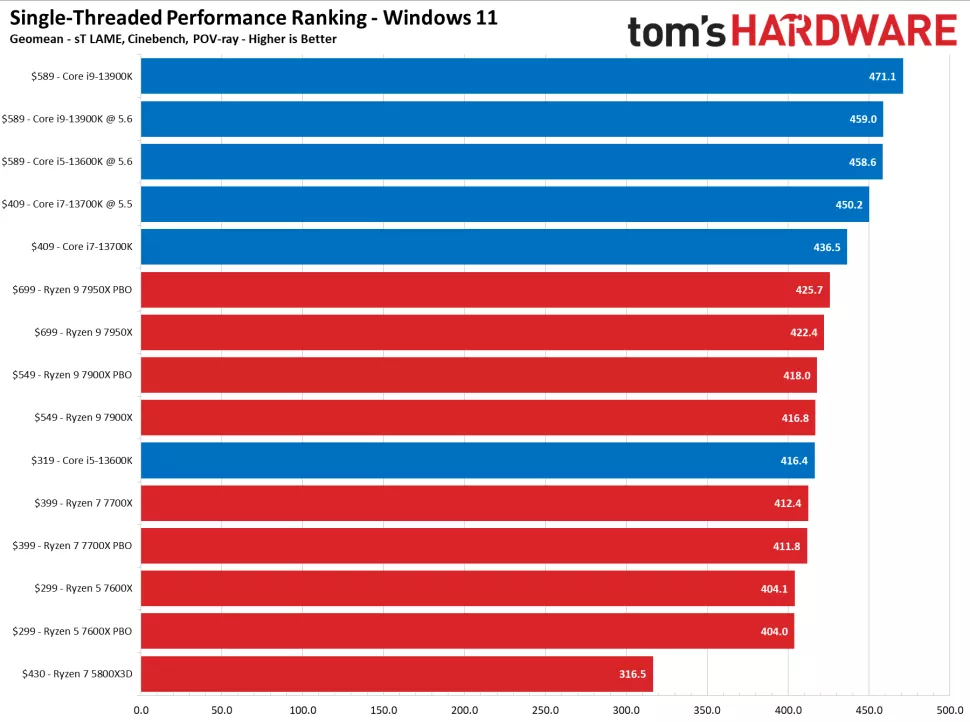
Single-thread performance affects responsiveness in everyday tasks.
Gaming
Games tend to favour strong single-thread performance and high clock speeds, plus features such as large CPU cache. Both brands offer outstanding gaming CPUs, and at most price points the difference is small — your graphics card usually matters more for frame rates than the CPU brand.
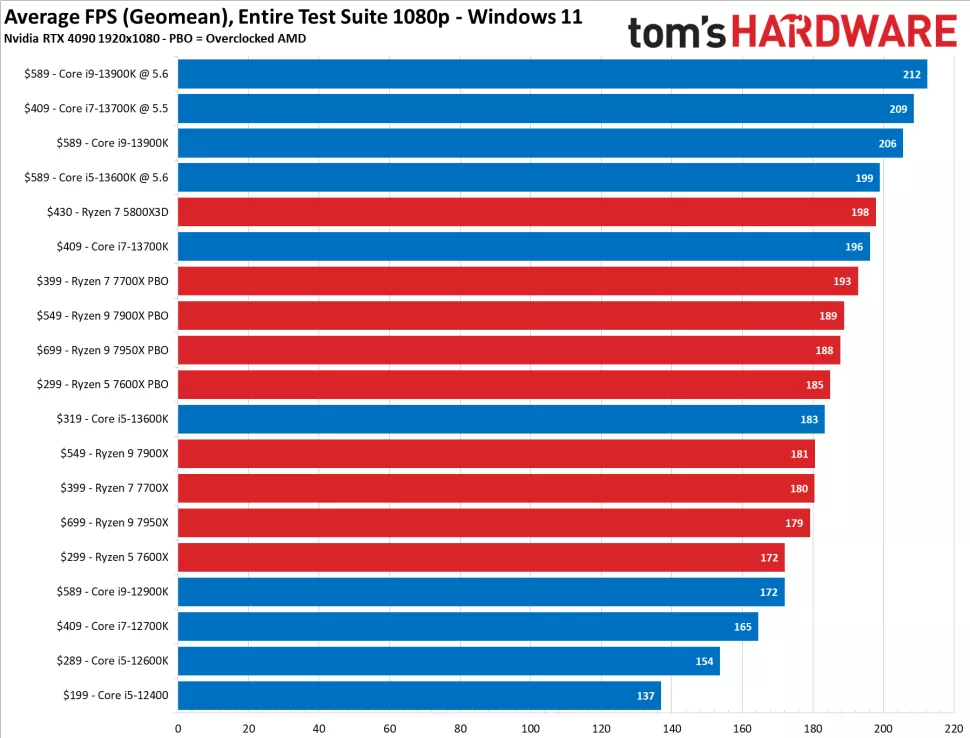
Gaming frame rates are close between comparable AMD and Intel CPUs.
Performance, Cooling, and Price
- Performance — compare benchmarks for the specific models; generation and tier matter more than brand.
- Cooling — power draw and thermals vary by model; higher-end chips of either brand need good cooling.
- Price — AMD has often been aggressive on value, while Intel competes strongly across tiers; check current pricing.
- Platform — consider motherboard cost and upgrade longevity for the socket you choose.
Comparing Equivalent Tiers
- Intel Core i5 vs AMD Ryzen 5 — the mainstream sweet spot for most users and gamers.
- Intel Core i7 vs AMD Ryzen 7 — enthusiast and creator tier with more cores and higher clocks.
- Intel Core i9 vs AMD Ryzen 9 — top tier for heavy multitasking, content creation, and high-end gaming.
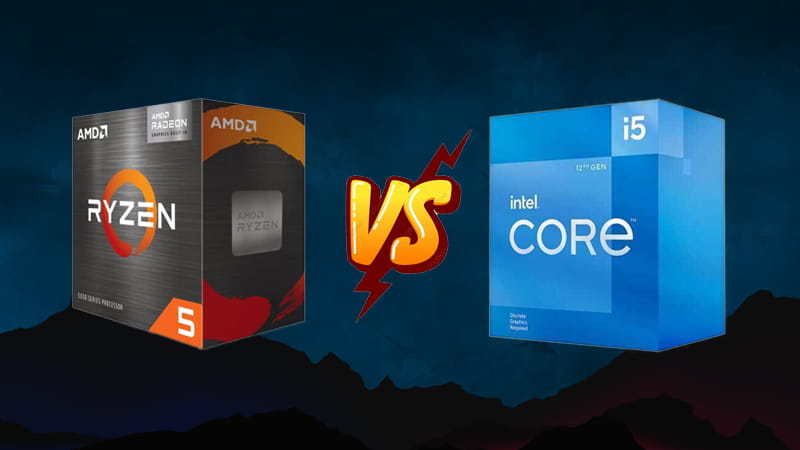
Core i5 vs Ryzen 5 — the mainstream comparison.
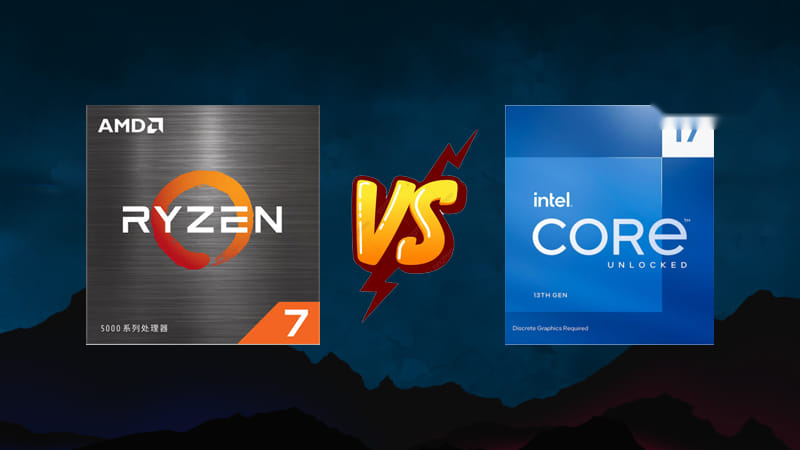
Core i7 vs Ryzen 7 — the enthusiast tier.
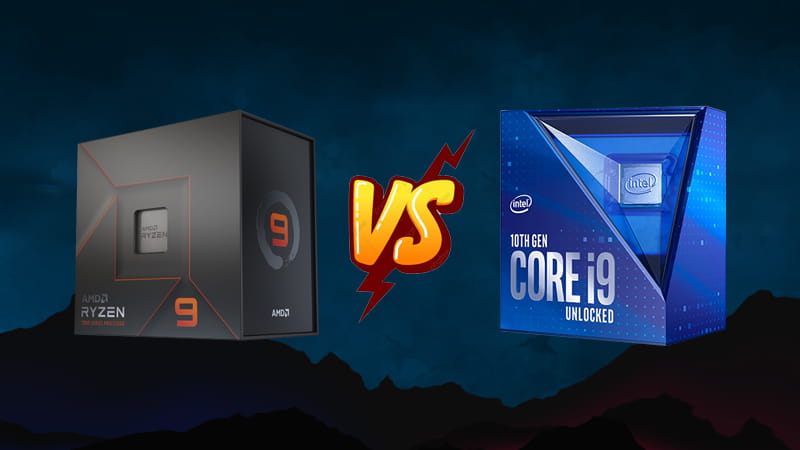
Core i9 vs Ryzen 9 — the high-end tier.
Overclocking
Both brands support overclocking on the right chips and motherboards (Intel “K” series with Z-series boards; many AMD Ryzen chips with compatible boards). Overclocking can add performance but increases heat and power draw, so it requires good cooling.
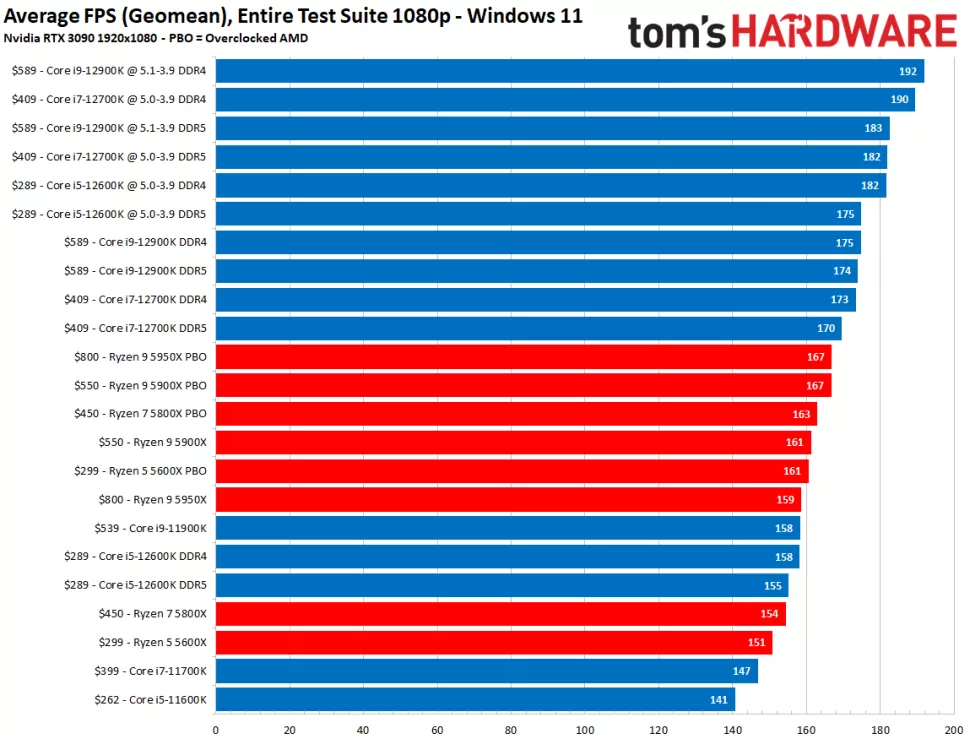
Overclocking can boost performance but increases heat and power use.
How to Choose
- Purpose — gaming, content creation, office work, or a mix? Match cores and clock speed to the task.
- Budget — set a total budget including motherboard and cooler, not just the CPU.
- Cores and threads — more cores help multi-threaded work; high single-thread speed helps games and everyday use.
- Platform longevity — consider how long the socket will support future upgrades.
Frequently Asked Questions
Problem: Is AMD or Intel better overall?
Solution: Neither is universally better. Compare the specific models in your budget for your workload — both brands lead in different areas and generations.
Problem: Which is better for gaming?
Solution: Top gaming CPUs from both brands perform similarly. Your GPU usually has a bigger impact on frame rates than the CPU brand.
Problem: Which is better value for content creation?
Solution: Look at multi-core benchmarks and core counts for your budget; AMD has often offered strong multi-core value, but compare current models.
Problem: Do I need a Core i9 or Ryzen 9?
Solution: Only for heavy multitasking, professional content creation, or top-tier builds. Most users are well served by a Core i5/Ryzen 5 or i7/Ryzen 7.
Conclusion
AMD and Intel both make excellent processors, so choose based on your workload, budget, and the specific models available rather than brand loyalty. Compare current benchmarks for the tiers you are considering, and remember that your GPU and overall system balance matter too.
</w:pBdr><w:spacing w:before="220" w:after="40"/></w:pPr><w:r><w:rPr><w:b/><w:bCs/><w:color w:val="0B5394"/><w:sz w:val="21"/><w:szCs w:val="21"/><w:rFonts w:ascii="Calibri" w:cs="Calibri" w:eastAsia="Calibri" w:hAnsi="Calibri"/></w:rPr><w:t xml:space="preserve">About TechHub
This guide is part of the TechHub Knowledge Base. For more step-by-step IT guides and support, visit techhub.com.lk.