












Overview
By default Windows asks you to sign in again after sleep. You can change this behaviour if it’s inconvenient on a trusted personal PC. This guide shows four ways to configure the sign-in-on-wake requirement.
Configuring the sign-in-on-wake requirement.
Warning: Requiring a password on wake protects your PC if it’s lost or accessed by others. Disable it only on a physically secure, personal device.
Key Takeaways
- The sign-in-on-wake setting is in Settings > Accounts.
- You can also control it via powercfg, Local Security Policy, or GPO.
- Keeping it on is safer, especially on laptops.
- Disable only on trusted, secure machines.
Method 1: Settings App
1. Open Settings > Accounts > Sign-in options.
2. Find "If you've been away, when should Windows require you to sign in again?"
3. Choose "Never" to stop the prompt (or keep "When PC wakes up from sleep").
Method 2: Command Prompt (powercfg)
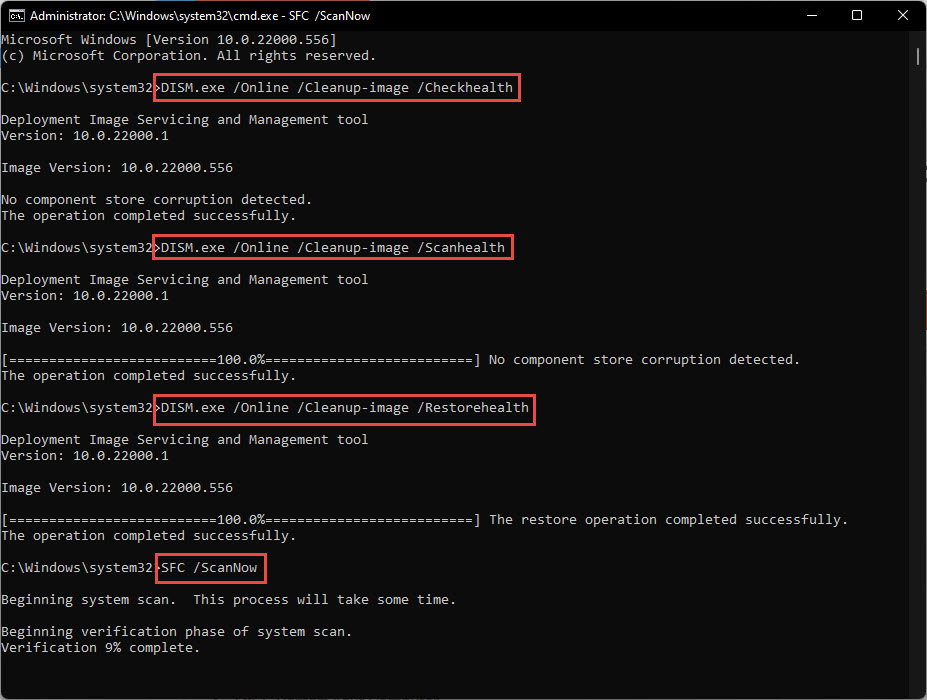
1. Open Command Prompt as administrator.
2. Disable the console-lock prompt on AC: powercfg /SETACVALUEINDEX SCHEME_CURRENT SUB_NONE CONSOLELOCK 0
3. And on battery: powercfg /SETDCVALUEINDEX SCHEME_CURRENT SUB_NONE CONSOLELOCK 0
4. Apply: powercfg /SETACTIVE SCHEME_CURRENT
Method 3: Local Security Policy
1. Run secpol.msc (Pro/Enterprise).
2. Go to Local Policies > Security Options.
3. Adjust the interactive logon / lock-on-wake related policy as needed.
Method 4: Group Policy Editor
1. Run gpedit.msc.
2. Go to Computer Configuration > Administrative Templates > System > Power Management > Sleep Settings.
3. Set "Require a password when a computer wakes" (on battery and plugged in) to Disabled.
4. Run gpupdate /force.
Troubleshooting
Problem: The Settings option is missing.
Solution: Some builds hide it — use the powercfg CONSOLELOCK method or Group Policy instead.
Problem: Change doesn’t stick.
Solution: A domain GPO may enforce it; ask your administrator, or ensure you applied it to the active power scheme.
Problem: Still prompted on a laptop.
Solution: Dynamic Lock or sign-in policies may apply — check Sign-in options and any organisational policy.
Problem: Want it back on.
Solution: Set CONSOLELOCK back to 1 (or the policy to Enabled) and reapply the power scheme.
Conclusion
Windows lets you control the sign-in-on-wake prompt through Settings, powercfg, or policy. It’s a security convenience trade-off — only disable it on a physically secure, personal PC, and keep it enabled on portable devices.
</w:pBdr><w:spacing w:before="220" w:after="40"/></w:pPr><w:r><w:rPr><w:b/><w:bCs/><w:color w:val="0B5394"/><w:sz w:val="21"/><w:szCs w:val="21"/><w:rFonts w:ascii="Calibri" w:cs="Calibri" w:eastAsia="Calibri" w:hAnsi="Calibri"/></w:rPr><w:t xml:space="preserve">About TechHub
This guide is part of the TechHub Knowledge Base. For more step-by-step IT guides and support, visit techhub.com.lk.