












Overview
Chrome lets you choose what loads when you open it and what the Home button does. This guide explains the difference between the homepage, startup pages, and new-tab page, and how to set each on desktop and mobile.
Setting the homepage and startup pages in Chrome.
Key Takeaways
- Homepage = the page the Home button opens.
- Startup pages = what loads when Chrome launches.
- New-tab page = what each new tab shows.
- These are three separate settings.
Set the Homepage (Desktop)
1. Open Chrome > menu (⋮) > Settings.
2. Go to "Appearance".
3. Turn on "Show home button".
4. Choose "New Tab page" or enter a custom URL.

Enable and set the Home button.
Set the Startup Pages (Desktop)
1. In Settings, open "On startup".
2. Choose "Open a specific page or set of pages".
3. Click "Add a new page" and enter each URL, or "Use current pages".
4. Chrome opens these tabs every launch.
Set the Homepage (Android / iOS)
1. Open the Chrome app > menu (⋮ or …) > Settings.
2. Tap "Homepage".
3. Turn it on and set it to the Chrome default or a custom URL.
Set the New Tab Page
1. Chrome’s new-tab page is built in (shortcuts + search) and isn’t directly changeable in settings.
2. To customize it, install a reputable New Tab extension from the Chrome Web Store.
3. Manage it under chrome://extensions if needed.
Troubleshooting
Problem: Home button doesn’t appear.
Solution: Enable "Show home button" under Settings > Appearance.
Problem: Startup pages keep changing.
Solution: An extension or malware may hijack startup — review extensions and reset settings if needed (chrome://settings/reset).
Problem: Can’t change the new-tab page.
Solution: It’s fixed by default; use a trusted New Tab extension to customize it.
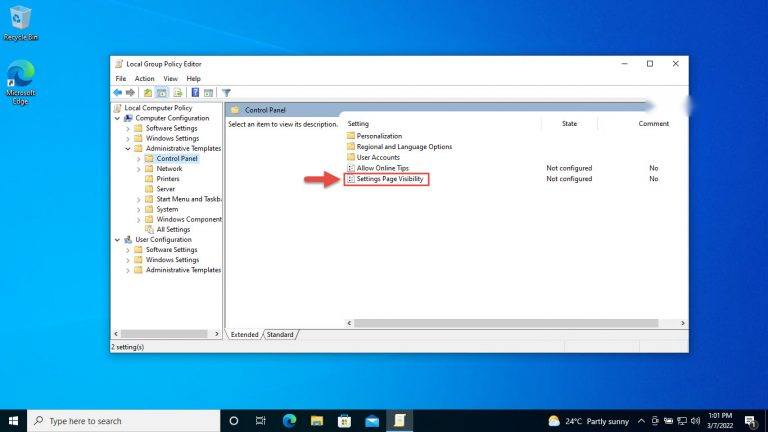
Problem: Settings are managed/greyed out.
Solution: A policy (work/school profile) may control them — contact your administrator.
Conclusion
Chrome separates the homepage, startup pages, and new-tab page. Set the Home button and startup tabs under Settings > Appearance and On startup, configure the homepage in the mobile app, and use a trusted extension if you want a custom new-tab page.
</w:pBdr><w:spacing w:before="220" w:after="40"/></w:pPr><w:r><w:rPr><w:b/><w:bCs/><w:color w:val="0B5394"/><w:sz w:val="21"/><w:szCs w:val="21"/><w:rFonts w:ascii="Calibri" w:cs="Calibri" w:eastAsia="Calibri" w:hAnsi="Calibri"/></w:rPr><w:t xml:space="preserve">About TechHub
This guide is part of the TechHub Knowledge Base. For more step-by-step IT guides and support, visit techhub.com.lk.