












How to Manage Local Users and Groups (lusrmgr) in Windows Home
Windows Home lacks lusrmgr.msc — here are the built-in and safe third-party ways to manage users and groups.
Overview
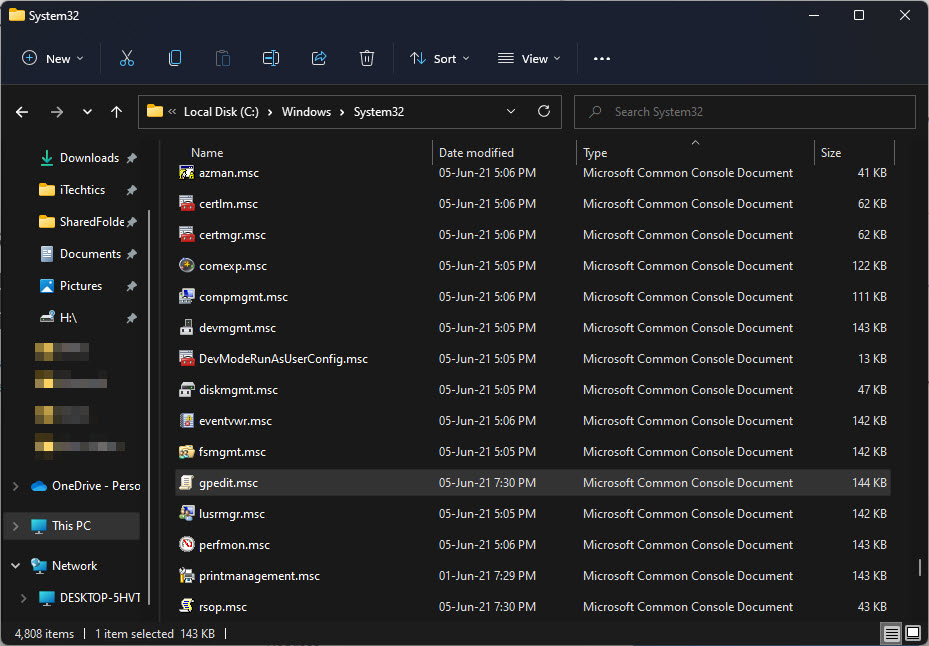
The Local Users and Groups console (lusrmgr.msc) isn’t included in Windows Home. This guide covers built-in ways to manage local accounts and groups on Home, plus a well-known open-source lusrmgr alternative.
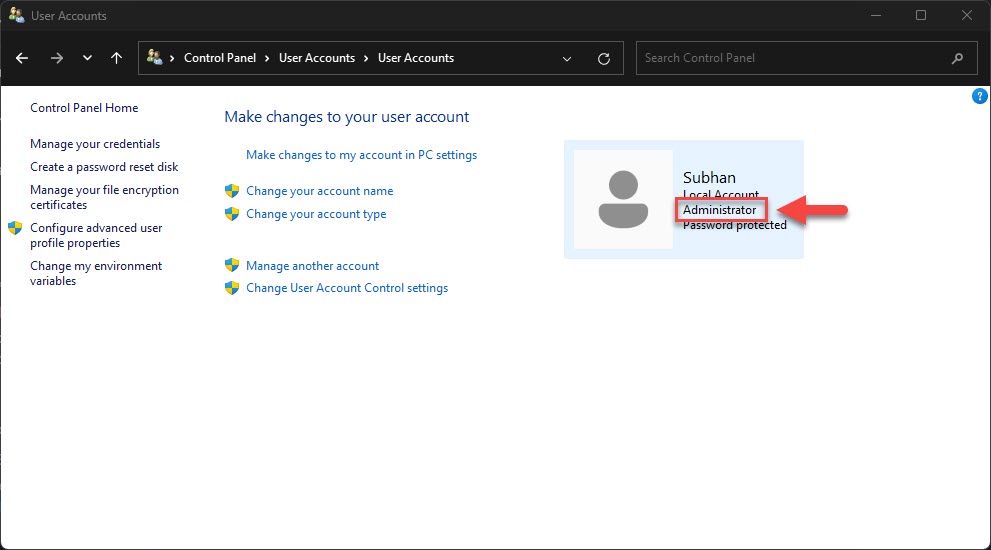
Managing local users and groups on Windows Home.
Key Takeaways
- lusrmgr.msc is a Pro/Enterprise feature, not on Home.
- Settings, netplwiz, and net user manage accounts on Home.
- Group membership can be set with net localgroup.
- An open-source "lusrmgr" tool offers a GUI alternative.
Built-in: Manage Accounts on Home
1. Settings > Accounts > Other users to add/remove users and change account type.
2. Run netplwiz for a classic user-accounts dialog (add users, set auto-login).
3. Command line: net user lists accounts; net user "Name" /add creates one.
4. Group membership: net localgroup Administrators "Name" /add.
Open-Source lusrmgr Alternative
Note: If you want a GUI, download the open-source "lusrmgr" tool only from its official GitHub repository. Verify the source before running admin tools.
1. Download the open-source lusrmgr (lusrmgr.exe) from its official GitHub releases.
2. Run it as administrator.
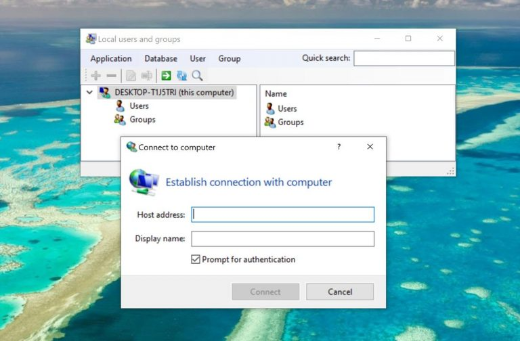
3. Use its interface to create users, set group membership, and manage properties — similar to the Pro console.
A local users and groups management interface.
Common Tasks
- Create/delete a local user.
- Reset a local account password (net user "Name" *).
- Add/remove a user from Administrators or other groups.
- Disable/enable an account.
Troubleshooting
Problem: lusrmgr.msc "cannot be used with this edition".
Solution: That’s expected on Home — use Settings, netplwiz, net user, or the open-source lusrmgr tool.
Problem: net user access denied.
Solution: Run Command Prompt/PowerShell as administrator.
Problem: Third-party tool flagged.
Solution: Download only from the official GitHub repo and verify the release; admin tools are sometimes false-flagged.
Problem: Change didn’t apply.
Solution: Sign out/in; some account/group changes take effect at next logon.
Conclusion
Windows Home omits lusrmgr.msc, but you can fully manage local users and groups with built-in tools — Settings, netplwiz, and net user/localgroup. For a familiar GUI, the open-source lusrmgr tool (from its official GitHub) is a safe alternative.