












Overview
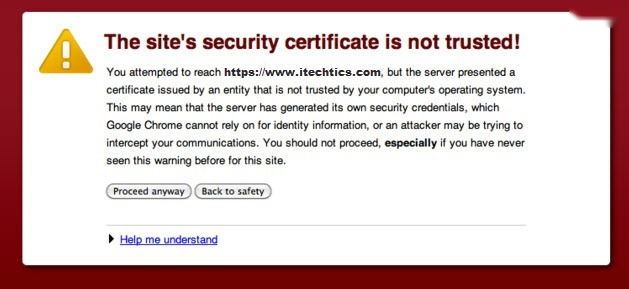
ERR_SSL_PROTOCOL_ERROR (often shown as "This site can’t provide a secure connection") means the browser couldn’t establish a secure TLS connection. The cause is usually a wrong clock, corrupt cache, an extension, or an SSL state issue. This guide works through the fixes.
Fixing the ERR_SSL_PROTOCOL_ERROR.
Key Takeaways
- A wrong system clock is the most common cause.
- Clearing browsing data and SSL state often fixes it.
- Disabling QUIC or extensions can help.
- It’s usually a local issue, not the website.
Fix 1: Correct the System Date and Time
1. Open Settings > Time & language > Date & time.
2. Enable "Set time automatically" and "Set time zone automatically".
3. Click "Sync now"; a wrong clock breaks SSL certificate validation.
Fix 2: Clear Browsing Data
1. In Chrome, press Ctrl + Shift + Delete.
2. Select Cached images and files and Cookies.
3. Choose "All time" and click Clear data, then retry.
Fix 3: Clear the SSL State
1. Press Windows + R, type inetcpl.cpl, and press Enter.
2. On the Content tab, click "Clear SSL state".
3. Restart the browser.
Fix 4: Disable QUIC
1. In Chrome, go to chrome://flags.
2. Search for "Experimental QUIC protocol" and set it to Disabled.
3. Relaunch Chrome and test.
Fix 5: Disable Extensions
1. Open chrome://extensions.
2. Disable extensions (especially VPNs, ad blockers, or security add-ons).
3. Re-test, then re-enable them one by one to find the culprit.
Fix 6: Check Security/Antivirus
1. Temporarily disable HTTPS/SSL scanning in third-party antivirus.
2. If the error clears, add an exception or adjust the AV’s SSL settings.
3. Re-enable protection afterward.
Troubleshooting
Problem: Only one site is affected.
Solution: The site’s certificate may be misconfigured — try another browser/device to confirm it’s the site, not you.
Problem: All HTTPS sites fail.
Solution: Fix the clock first, then clear SSL state and disable AV SSL scanning.
Problem: Error persists after clearing data.
Solution: Disable QUIC and extensions, and flush DNS with ipconfig /flushdns.
Problem: Antivirus keeps intercepting SSL.
Solution: Turn off its HTTPS scanning feature or add the site to its exclusions.
Conclusion
ERR_SSL_PROTOCOL_ERROR is usually local: fix your system clock, clear browsing data and SSL state, and rule out QUIC, extensions, or antivirus SSL scanning. If only one site fails, the problem is likely on the website’s end.
</w:pBdr><w:spacing w:before="220" w:after="40"/></w:pPr><w:r><w:rPr><w:b/><w:bCs/><w:color w:val="0B5394"/><w:sz w:val="21"/><w:szCs w:val="21"/><w:rFonts w:ascii="Calibri" w:cs="Calibri" w:eastAsia="Calibri" w:hAnsi="Calibri"/></w:rPr><w:t xml:space="preserve">About TechHub
This guide is part of the TechHub Knowledge Base. For more step-by-step IT guides and support, visit techhub.com.lk.