












Overview
If Windows shows no available Wi-Fi networks — even though others are nearby — the cause is usually the adapter, driver, network stack, or a service. This guide works through nine fixes to get your networks listed again.
Restore the list of available Wi-Fi networks.
Key Takeaways
- Restart or reset the Wi-Fi adapter and network stack first.
- Update or reinstall the Wi-Fi driver.
- Ensure required network services are running.
- Remove outdated VPN software that can hijack networking.
Fix 1 — Restart the Wi-Fi Adapter
1. Press Windows key + R, type ncpa.cpl, and press Enter.
2. Right-click your Wi-Fi adapter and choose Disable, then Enable.
3. Check whether networks now appear.
Fix 2 — Reset the Network
1. Open Command Prompt as administrator.
2. Run: netsh winsock reset and netsh int ip reset.
3. Run: ipconfig /flushdns.
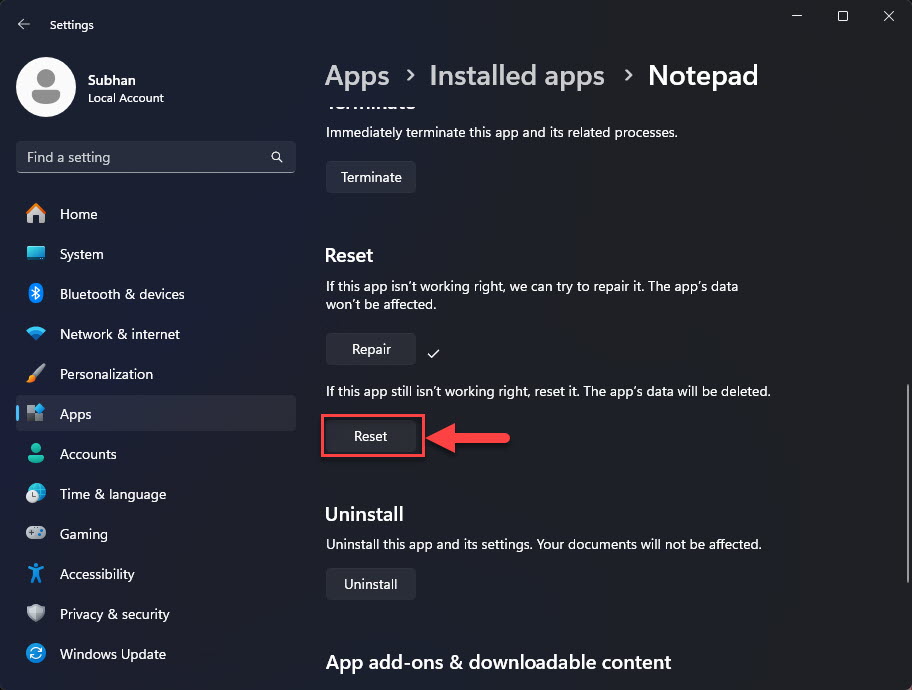
4. Restart the PC. (Or use Settings > Network & Internet > Advanced > Network reset.)
Fix 3 — Run the Network Troubleshooter
1. Open Settings > System > Troubleshoot > Other troubleshooters.
2. Run the Network and Internet (or Network Adapter) troubleshooter.
3. Apply any fixes.
Fix 4 — Update or Reinstall the Wi-Fi Driver
1. Open Device Manager > Network adapters.
2. Right-click the Wi-Fi adapter and choose Update driver.
3. If needed, Uninstall device and restart so Windows reinstalls it, or install the latest driver from the manufacturer.
Fix 5 — Check Required Services
1. Press Windows key + R, type services.msc, and press Enter.
2. Ensure WLAN AutoConfig is Running and set to Automatic.
3. Start it if stopped, then re-check for networks.
More Fixes
- Enable Network discovery for your network profile (Advanced sharing settings).
- Remove outdated VPN clients that can break Wi-Fi.
- Toggle Airplane mode on and off, and ensure the physical Wi-Fi switch/hotkey is on.
- Install pending Windows updates.
Troubleshooting
Problem: Wi-Fi adapter is missing entirely.
Solution: In Device Manager, View > Show hidden devices; reinstall the driver and check the adapter is enabled in BIOS and not turned off by a hardware switch.
Problem: Only some networks are missing.
Solution: 5 GHz networks may not show on 2.4 GHz-only adapters; check band support and the router’s broadcast settings.
Problem: Networks vanish after sleep.
Solution: In the adapter’s Power Management tab, untick "Allow the computer to turn off this device to save power".
Problem: Still nothing after all steps.
Solution: Test a USB Wi-Fi adapter to rule out a failed internal card.
Conclusion
Missing Wi-Fi networks are almost always an adapter, driver, or service issue. Restart and reset networking, update the driver, and confirm WLAN AutoConfig is running — and your networks should reappear.
</w:pBdr><w:spacing w:before="220" w:after="40"/></w:pPr><w:r><w:rPr><w:b/><w:bCs/><w:color w:val="0B5394"/><w:sz w:val="21"/><w:szCs w:val="21"/><w:rFonts w:ascii="Calibri" w:cs="Calibri" w:eastAsia="Calibri" w:hAnsi="Calibri"/></w:rPr><w:t xml:space="preserve">About TechHub
This guide is part of the TechHub Knowledge Base. For more step-by-step IT guides and support, visit techhub.com.lk.