












Overview
RAM එන්නේ විවිධ devices වලට විවිධ physical sizes (form factors) වලින්. මේ reference එකෙන් DIMM, SODIMM, සහ MicroDIMM පැහැදිලි කරනවා — ඒ ඒ එක use වෙන්නේ කොහෙද, ඒවා වෙනස් වෙන්නේ කොහොමද — සහ Windows එකේ ඔබේ RAM check කරන්නේ කොහොමද කියලා.
RAM form factors සංසන්දනය.
Key Takeaways
- DIMM කියන්නේ desktops සහ servers වලට full-size module එකයි.
- SODIMM කියන්නේ laptops සහ mini-PCs වලට කුඩා module එකයි.
- MicroDIMM ඊටත් වඩා කුඩායි, ultra-compact/legacy devices වලට.
- Form factor එක ඔබේ motherboard එකේ slots වලට match වෙන්න ඕන.
DIMM
Dual In-line Memory Module කියන්නේ desktop PCs සහ servers වල use වෙන standard, full-length RAM stick එක. Laptop memory එකට වඩා pins වැඩියි සහ physical size එක ලොකුයි.
SODIMM
Small Outline DIMM එක DIMM එකකින් ආසන්න වශයෙන් අඩක් දිගයි, space සීමිත laptops, all-in-ones, mini-PCs, සහ සමහර small-form-factor systems වලට design කරලා තියෙන්නේ.
MicroDIMM
Micro DIMM එක ඊටත් වඩා කුඩායි, ඉතිහාසයේ subnotebooks සහ සමහර embedded/legacy devices වල use වුණා. නවීන consumer hardware වල එය දක්නට අඩුයි.
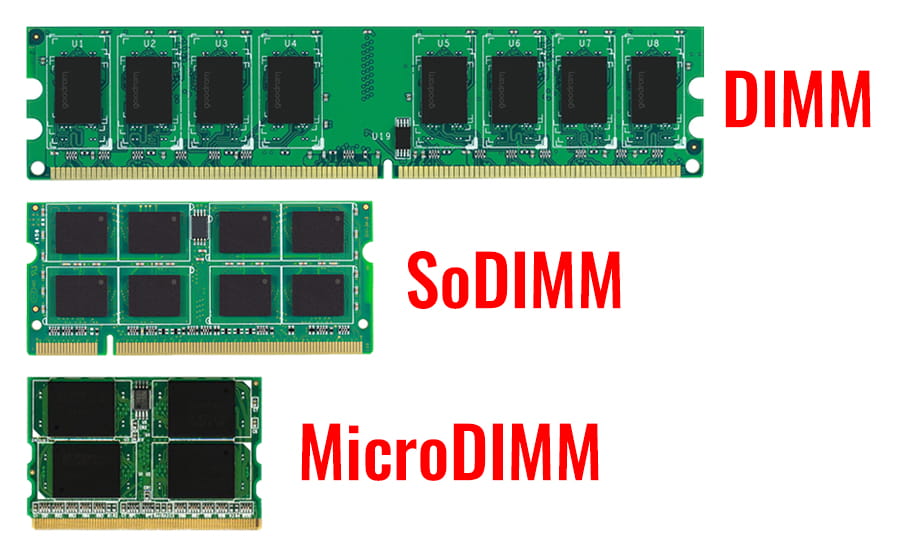
DIMM, SODIMM, සහ MicroDIMM වල සාපේක්ෂ sizes.
Comparison
- Size: DIMM > SODIMM > MicroDIMM.
- Use: DIMM = desktops/servers; SODIMM = laptops/mini-PCs; MicroDIMM = ultra-compact/legacy.
- Pins/keying වෙනස් නිසා, form factors අතර modules interchangeable නෑ.
- හැමවිටම module type එක ඔබේ system එකට match කරන්න.
How to Check Your RAM in Windows
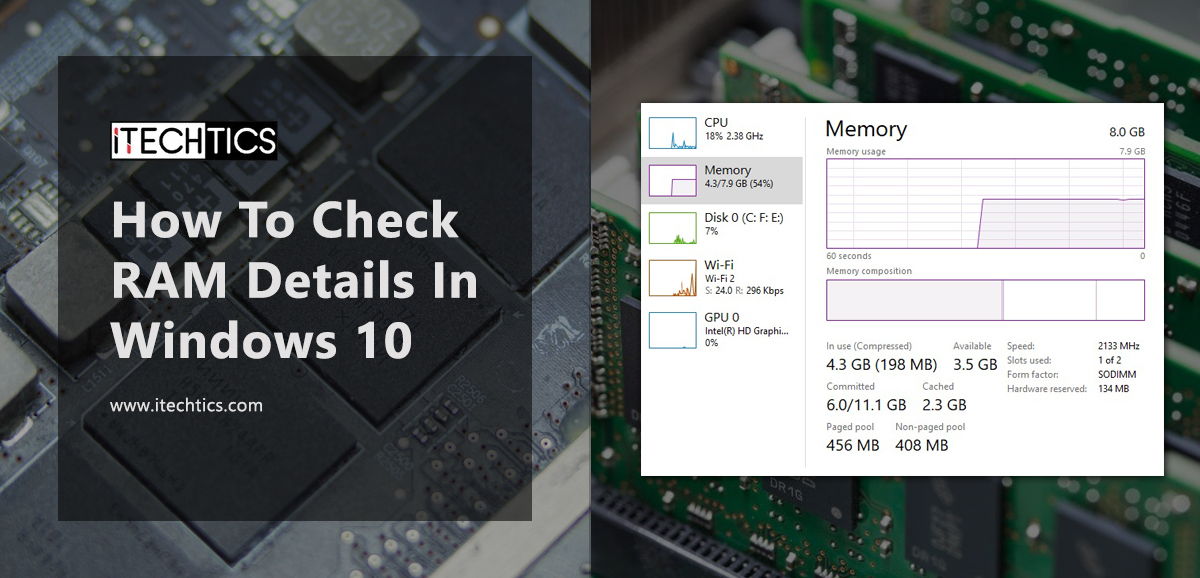
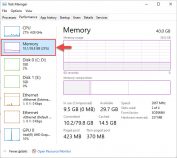
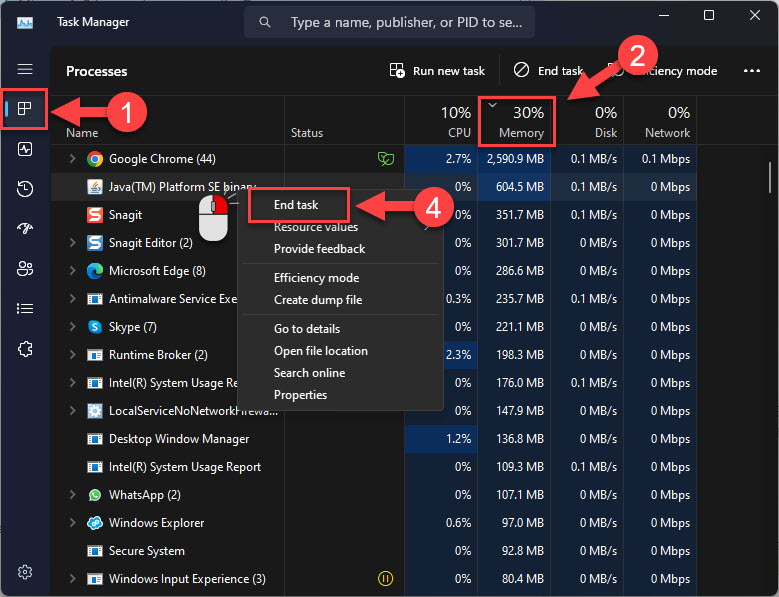
1. Task Manager > Performance > Memory open කරලා capacity, speed, සහ slots used බලන්න.
2. Form factor එකට, ඔබේ device/motherboard specs check කරන්න නැත්නම් CPU-Z වගේ tool එකක් use කරන්න.
3. ඕනෑම upgrade එකක් ඔබේ board එක support කරන correct type, speed, සහ capacity එකට match කරන්න.
Conclusion
DIMM, SODIMM, සහ MicroDIMM කියන්නේ පිළිවෙළින් desktops, laptops, සහ ultra-compact systems කියන විවිධ devices වලට physically වෙනස් memory modules. Upgrade කරන්න කලින්, අලුත් RAM එක ගැලපිලා වැඩ කරන්න ඔබේ system එකේ form factor එකයි supported speed/capacity එකයි confirm කරගන්න.
About TechHub
මේ guide එක TechHub Knowledge Base එකේ කොටසක්. තව step-by-step IT guides සහ support වලට techhub.com.lk එකට යන්න.